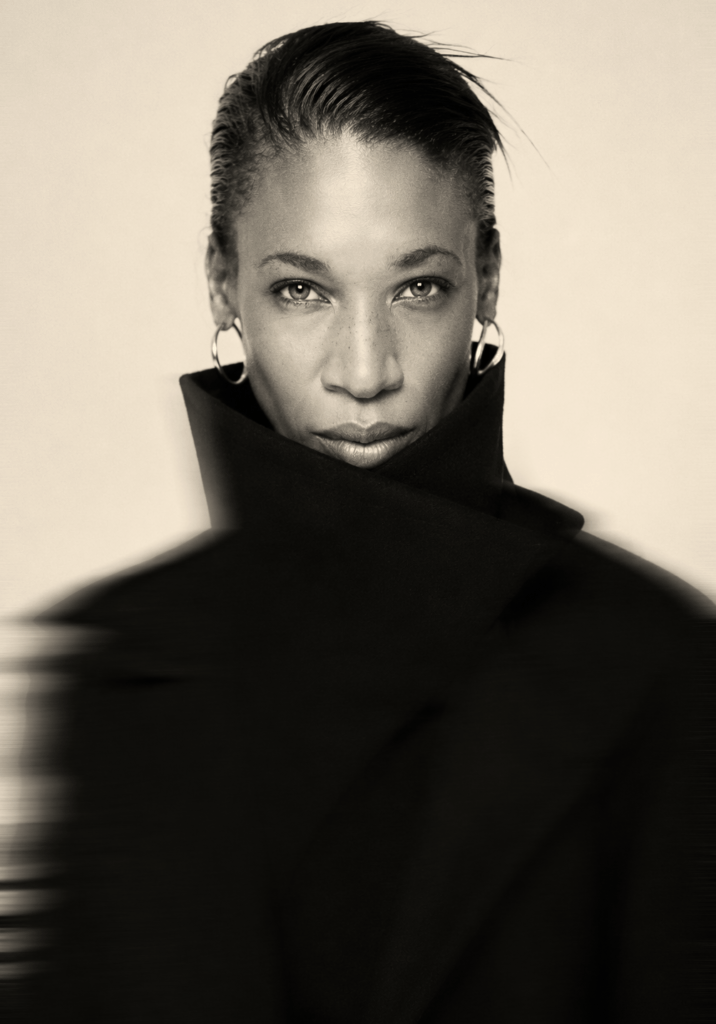
By Harriet Macauley | Choreographer, Director and Creative. Equal Arts, European Union 2024-2026
As a Black European British woman, choreographer and director, my journey through the arts has been shaped by movement, identity, resilience, imagination and the constant desire to create spaces where people can see themselves, feel represented and recognise the power of their own creative voices.
For me, the arts have never simply been about performance, choreography or creating work for an audience. They are about connection, visibility, expression and transformation. They are a way of telling stories that may otherwise remain unheard, challenging perceptions and opening doors to possibilities that future generations can walk through with greater confidence.
Black female leadership in the arts is particularly important. It is about more than occupying positions of influence. It is about having the freedom to lead authentically, to bring our lived experiences and cultural perspectives into the creative process, and to challenge the structures that have historically limited whose voices, stories and artistic contributions are recognised.
I believe that our presence matters. Our stories matter. Our creativity matters.
The transformative power of Equal Arts
I am particularly interested in the possibilities created through initiatives such as Equal Arts, and the importance of developing more equitable, inclusive and accessible opportunities within the cultural and creative sectors.
The principle of equality in the arts is fundamental to the future of our industry. Talent exists everywhere, but access to opportunity, professional networks, mentorship, resources and decision-making spaces is not always equally distributed.
We cannot talk about a thriving creative sector without addressing who gets to participate, who gets supported, who gets commissioned, who gets heard and who gets to lead.
My identity is an important part of how I see the world and how I approach my creative practice. Being Black European British means carrying multiple cultural influences, histories and perspectives. It means understanding the richness of belonging to different cultural spaces while also recognising the complexities of identity, representation and visibility.
As a choreographer, I see movement as a language that can communicate across boundaries. The body carries memory, history, emotion and lived experience. Through movement, we can explore who we are, where we come from and the possibilities of who we might become.
Our creativity is our voice. Our leadership is our contribution. Our legacy is what we make possible for those who come after us.
The future of the arts must be one that we all have the power to create.
Ms Harriet Macauley November 2026. Equal Arts, European Union 2024-2026