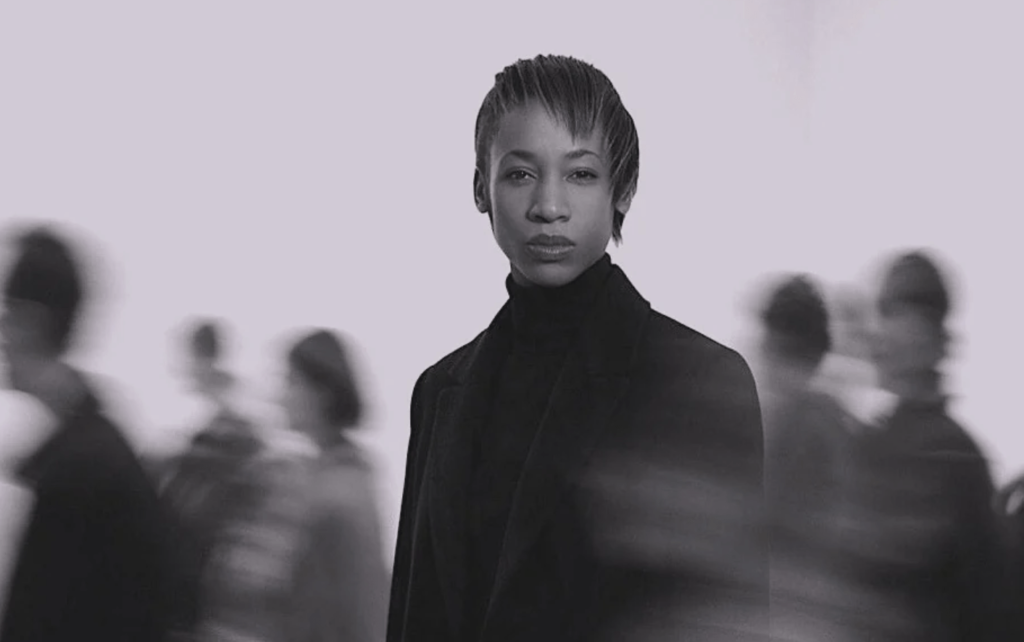
Dance is more than movement. It is a language of identity, creativity, expression and possibility. But for many artists, discovering that they have a place within the professional dance world is not always obvious and many attempt to enjoy the arts as a hobbie or leisure activity.
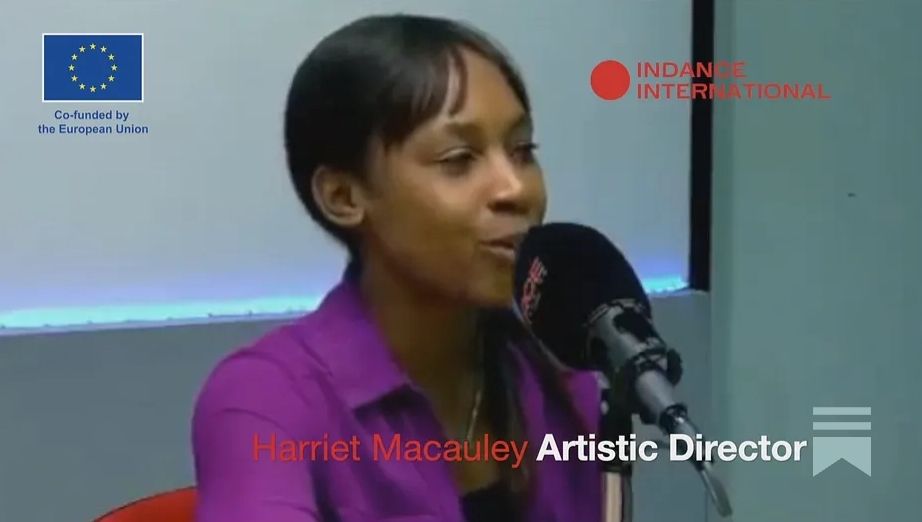
In this short interview for Equal Arts, I reflect on my own discovery of dance as a professional pathway and the importance of recognising potential, particularly when that potential has not yet been recognised by the individual themselves.
“I never knew I could actually bite into dance in any capacity. It was the professors that I had that said, ‘Wow, you could actually do this, Harriet.'”
This moment speaks to something fundamental about artistic development: sometimes another person sees our potential before we can see it ourselves.
For me, this encouragement from former professors helped open a door to a world of creative possibilities. It demonstrates why access to education, supportive mentors, professional networks and positive female representation are so important in shaping the next generation of artists and leaders.
Across the performing arts, talent exists in every community. However, access to professional opportunities, leadership positions, education and sustainable careers is not always equally distributed. I have experienced this since the start of my career.
For women, and particularly Black women and women from underrepresented communities, the journey into artistic leadership can involve with even more additional barriers. These may include limited access to networks, unequal opportunities, a lack of representation in decision-making positions, not taken serriously, underminded,, disregarded and the challenge on the demands of professional leadership.
I have faced each single word listed above and continue to be challenged to this day. I believe my reflection reminds us that encouragement is not simply a kind gesture. It can be transformative!!
Having someone recognise your ability can change the way you understand yourself, your ambitions and your future self.
This is why mentorship, education and women’s leadership must remain central to conversations about the future of the performing arts.